


Kannada Pandit For Pinddaan in Gaya Varanasi - Vedaangam.com
Booking a Kannada Pandit for Pinddaan in Gaya Varanasi through Vedaangam.com ensures a culturally resonant and spiritually fulfilling ritual performed according to Kannada traditions and complete Vedic procedures. Below is a detailed blog that explores the importance, process, and benefits of this service for Kannada-speaking devotees.

Pinddaan: Honoring Ancestors in Gaya & Varanasi
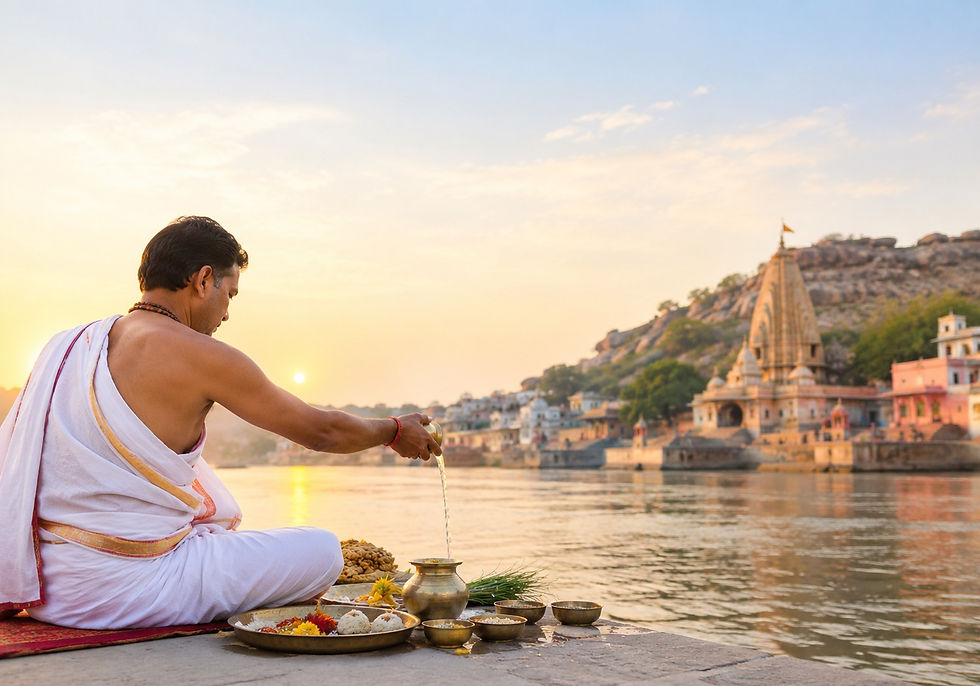
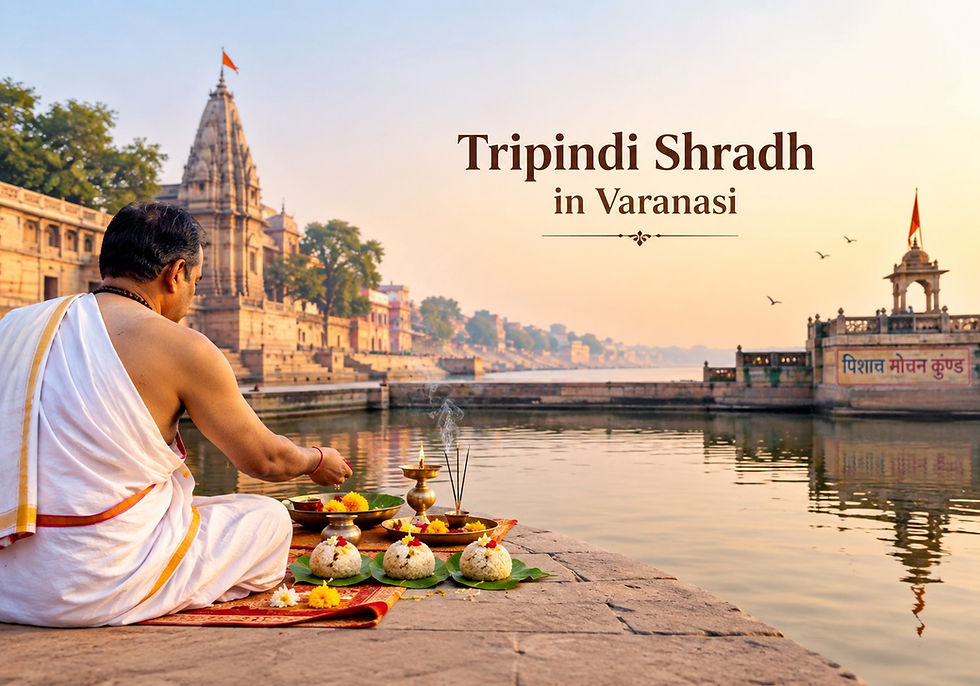
Performing ಪಿಂಡ್ಡಾನ್ (Pinddaan) is a sacred duty in Hindu tradition, believed to bring peace and salvation (ಮೋಕ್ಷ) to departed ancestors. The cities of Gaya in Bihar and Varanasi (Kashi) in Uttar Pradesh are two of the most revered sites for this ritual, where millions gather every year to perform final rites for their ancestors.
Spiritual Significance
In Kannada families, as in other Hindu communities, performing ಪಿಂಡ್ಡಾನ್ ensures that the souls of ancestors attain a peaceful afterlife and liberation from the cycle of birth and death (ಸಂಸಾರ ಚಕ್ರದಿಂದ ಮುಕ್ತಿಮಾಡುವುದು). Gaya, with the holy Vishnupad Temple and the banks of the Phalgu River, and Varanasi, with its sacred Manikarnika Ghat, are mentioned in ancient scriptures as the most potent sites to perform these rituals. According to belief, rituals performed here—with proper mantras and sankalpas—guarantee lasting peace for the departed souls.
Why Choose a Kannada Pandit?
Many Kannada-speaking families want to uphold traditional customs, including specific rituals, prayers, and language nuances. A Kannada Pandit ensures every aspect of the ceremony—from the sankalpa to the chanting of mantras—is conducted in the family's mother tongue, preserving tradition and offering emotional comfort. This familiarity becomes particularly important during complex rites when instructions need to be clearly understood by all family members.
Services by Vedaangam.com
Vedaangam.com specializes in connecting devotees with experienced Kannada Pandits in Gaya and Varanasi. Their services cover:
Experienced Kannada-speaking priests with in-depth knowledge of Vedic scriptures and Kannada rituals.
Complete arrangements for all required puja materials, so families can focus on the ceremony.
Guidance and local coordination for temple visits, including prominent venues like Vishnupad Temple and Manikarnika Ghat.
Personalized step-by-step assistance and explanations to ensure that the ritual is meaningful and stress-free for the family.
This combination of logistical support and cultural sensitivity makes the process smooth, especially for families traveling from Karnataka and unfamiliar with the locations or rituals.
Ritual Procedure
The Pinddaan ritual involves several key steps:
1. Sankalpa (Oath-taking): The process begins with the devotee stating the purpose and the names of the ancestors for whom the ritual is being performed, all in Kannada when led by a Kannada Pandit.
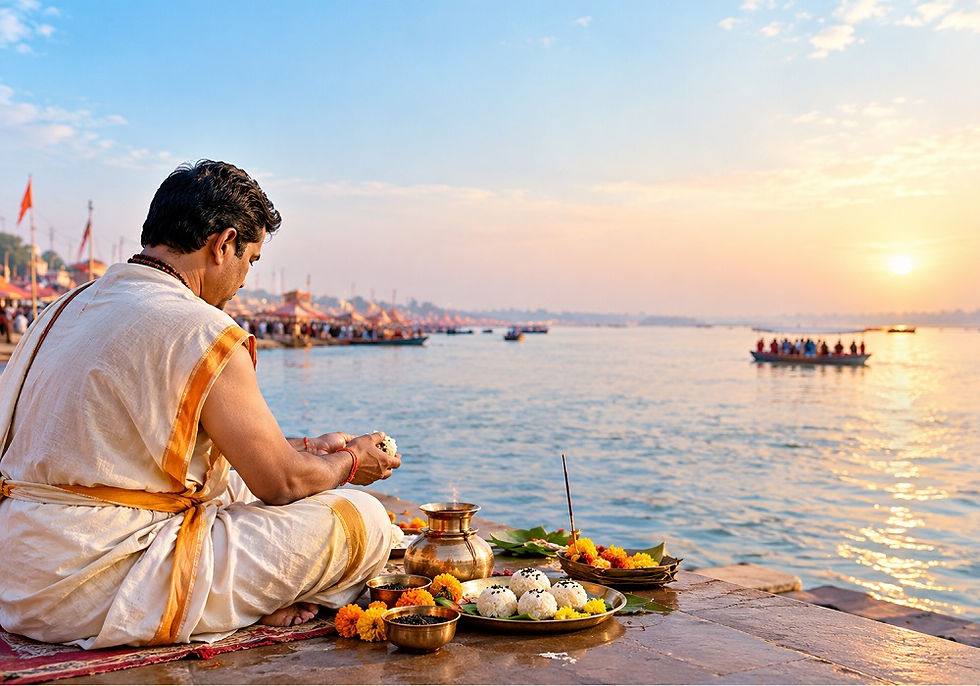
2. Preparation of Pindas: Balls made from rice, barley flour, and other ingredients represent the departed souls.
3. Offering and Prayers: The pindas are offered at the designated ghats or temples along with specific chants for invoking peace and deliverance to the souls.
4. Dashdaan and Tarpan: Additional offerings like clothes, footwear, and sesame seeds are made to complete the ritual, followed by tarpan, a water offering with prayers.
Each segment is explained thoroughly by the Pandit, ensuring the family feels connected to each gesture performed.
Site-specific Importance
Gaya: Considered the most crucial site as per Garuda Purana and other Hindu texts, especially the Akshayavat (sacred fig tree) and Vishnupad Temple. It is believed even Lord Rama performed ಪಿಂಡ್ಡಾನ್ here for his father, King Dasharatha.
Varanasi: Rituals here are considered to offer instant liberation (ಮೋಕ್ಷ) to souls, particularly at Manikarnika and other ghats along the Ganga. The atmosphere of incense, sacred chanting, and convergence of pilgrims adds a unique spiritual energy.
Who Can Perform the Ritual?
Traditionally, the eldest son or male relatives conduct the rituals, but it is also possible for women and daughters to participate, especially when male members are absent.
What to Expect When Booking with Vedaangam.com
When booking a Kannada Pandit through Vedaangam.com:
All arrangements, from priest appointment to puja materials and local travel, are taken care of.
The Pandit explains every part of the ritual in Kannada, which is especially helpful for elders and those unfamiliar with Sanskrit or Hindi.
Assistance with hotel stays, temple bookings, and local navigation ensures convenience for the entire family.
Our package options help families plan according to their preferences and requirements.
Practical Tips
Plan your trip in advance and coordinate with Vedaangam.com to fix dates and locations.
Prepare a list of ancestors’ names and other details required for the sankalpa.
Inform the service provider about family customs or any special requirements in advance.
Respect the sanctity of the sites and follow guidelines provided by the organizers and priests.
Read more: Auspicious Date and Muhurat Services | Pitru Shuktam
Conclusion
Performing ಪಿಂಡ್ಡಾನ್ in Gaya or Varanasi is a profound spiritual journey, and having an experienced Kannada Pandit makes the ritual more meaningful and stress-free for Kannada families. Vedaangam.com bridges the gap between tradition and convenience, helping devotees honor their ancestors in the most authentic way possible, regardless of distance or local language barriers.
For Kannada families longing to keep their culture alive while fulfilling ancestral duties, this service offers peace of mind, cultural continuity, and the deepest spiritual satisfaction.
Source:


Comments